

Transforming Sportive Competitions Through Innovative AI Tools
- Gabriela Aronovici

- Apr 29
- 3 min read
Sportive competitions have always captured the excitement of athletes and fans alike. Today, artificial intelligence (AI) is reshaping how these events are organized, played, and experienced. From improving athlete performance to enhancing fan engagement, AI tools bring new possibilities to the world of sports. This post explores how AI is changing sportive competitions and what that means for everyone involved.
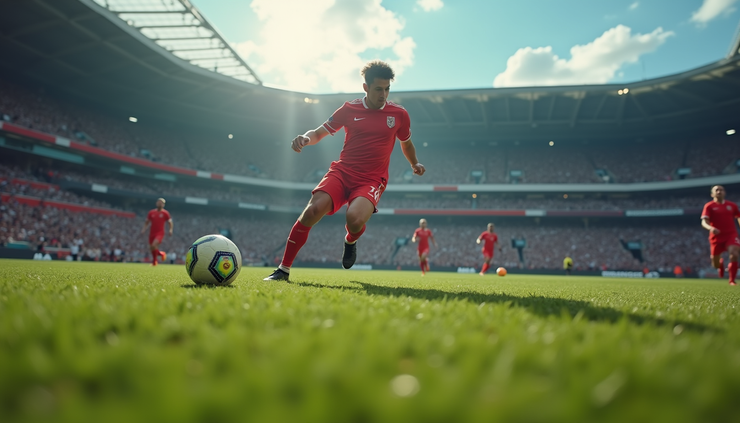
How AI Improves Athlete Performance
One of the most significant impacts of AI in sportive competitions is on athlete training and performance. Coaches and trainers use AI-powered systems to analyze data from practice sessions and games. These systems track movements, measure speed, and assess technique with precision that humans cannot match.
For example, AI can identify subtle changes in an athlete’s form that might lead to injury. By catching these early, trainers can adjust workouts to prevent harm. AI also helps design personalized training plans based on an athlete’s strengths and weaknesses. This tailored approach leads to better results and fewer setbacks.
Wearable devices equipped with AI sensors collect real-time data during competitions. This data helps coaches make quick decisions, such as when to substitute a player or change tactics. The result is smarter gameplay and improved chances of winning.
Enhancing Fairness and Accuracy in Judging
Judging in sportive competitions can sometimes be controversial due to human error or bias. AI tools are helping to make judging more accurate and fair. Video analysis powered by AI can review plays frame by frame, detecting fouls or rule violations that might be missed by referees.
In sports like tennis and soccer, AI-assisted systems provide instant feedback on line calls or offside decisions. This technology reduces disputes and speeds up the game by minimizing delays. It also builds trust among players and fans, knowing that decisions are backed by objective data.
AI can also monitor athlete behavior to detect cheating or doping. By analyzing patterns and anomalies, AI systems support fair play and maintain the integrity of competitions.

Creating Engaging Experiences for Fans
AI is transforming how fans experience sportive competitions. Beyond the stadium, AI tools personalize content and interaction to keep fans engaged. For instance, AI-powered apps provide real-time statistics, player insights, and customized highlights based on individual preferences.
Virtual and augmented reality experiences powered by AI allow fans to feel closer to the action. They can explore 3D replays, watch games from different angles, or even simulate playing alongside their favorite athletes. These immersive experiences deepen fan connection and enjoyment.
AI also helps broadcasters by automating camera work and commentary. Systems can identify key moments and switch views automatically, delivering a smoother and more exciting broadcast. This technology makes sports more accessible and enjoyable for viewers worldwide.
Supporting Event Management and Safety
Organizing sportive competitions involves complex logistics and safety concerns. AI tools assist event managers in planning and running events more efficiently. For example, AI can analyze crowd movement to optimize seating arrangements and reduce congestion.
Security systems powered by AI monitor venues for unusual behavior or potential threats. This proactive approach enhances safety for athletes, staff, and spectators. AI also helps with scheduling, ticketing, and resource allocation, reducing costs and improving the overall experience.
By automating routine tasks, AI frees up human staff to focus on delivering better service and responding to unexpected situations.

Looking Ahead: The Future of AI in Sportive Competitions
The integration of AI tools in sportive competitions is still evolving. As technology advances, expect even more sophisticated applications. AI could enable real-time injury prediction, smarter training robots, or fully automated refereeing systems.
Athletes and teams that embrace AI will gain a competitive edge. Fans will enjoy richer, more interactive experiences. Organizers will run safer and more efficient events. The key will be balancing technology with the human spirit of sport, ensuring AI supports rather than replaces the passion and unpredictability that make competitions thrilling.


Comments